Private Pilot Licence
A separate licence category for private flying. Its privileges do not make it equivalent to a CPL for professional flying.

Flying Star Aviator provides CPL ground training and DGCA theory examination preparation at its Dwarka, New Delhi centre. The classes cover the academic stage of the CPL pathway; aircraft flying training and applicable flight-experience requirements are completed separately through an appropriately approved Flying Training Organisation (FTO).
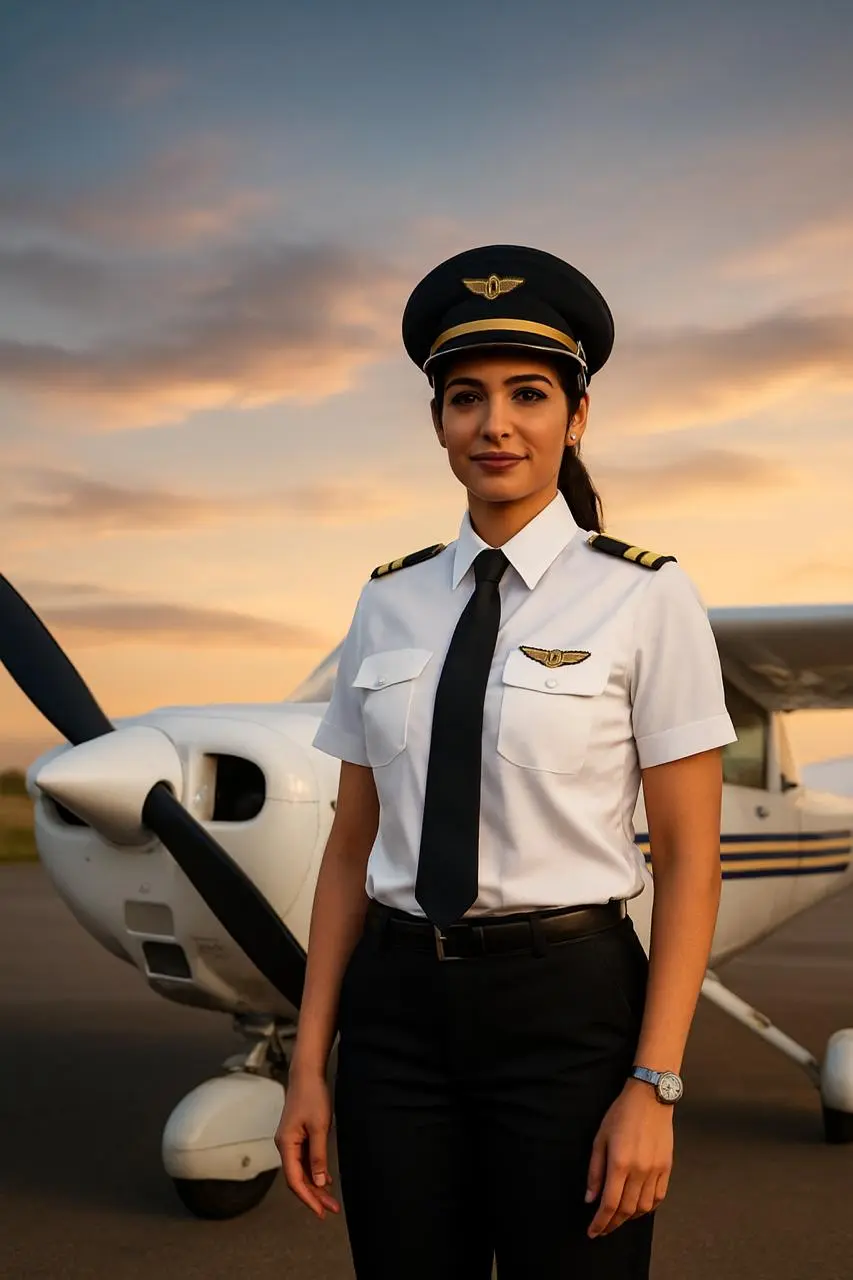
A Commercial Pilot Licence (CPL) is a professional pilot licence issued by the Directorate General of Civil Aviation (DGCA) to candidates who meet the current licensing requirements. The pathway includes regulatory, medical, examination and practical flight-training stages. Ground classes prepare candidates for the theory component; they do not provide aircraft flying hours or issue a licence.
Sources: DGCA — Pilot licensing and approvals, DGCA examination portal
Last updated:
A Private Pilot Licence (PPL) and a Commercial Pilot Licence (CPL) are different licence categories with different privileges and requirements. Check the current DGCA rules for the privileges attached to each licence; a CPL pathway is intended for professional flying, while a PPL is not a substitute for a commercial licence.
A separate licence category for private flying. Its privileges do not make it equivalent to a CPL for professional flying.
A professional licence category. The privileges, aircraft ratings and operational limits depend on current DGCA rules and the pilot's qualifications.
For the wider pilot pathway from eligibility to licensing, read our guide to becoming a pilot in India.
Joining ground classes and being eligible for a licence are different things. Before applying, check the current DGCA requirements for education, age, medical fitness, examinations, radio telephony, flight experience and licensing. Requirements can change, so confirm them against current DGCA guidance.
Check the current DGCA educational criteria, including required subjects and accepted equivalencies, against your own documents.
Review Computer Number document guidanceAge criteria depend on the licensing stage. Verify the current minimum age and examination eligibility directly with DGCA.
Check current DGCA requirementsThe medical assessments required for training and licence issue are set by DGCA. Confirm the current process before committing to flying training.
Read about DGCA medical assessmentsA Computer Number and the relevant examination application steps may be required before booking theory papers. Follow the latest Pariksha instructions.
See the DGCA Computer Number guideThe route combines eligibility checks and regulatory steps with theory preparation and separate aircraft training. The sequence and requirements should be confirmed against current DGCA instructions.
Review DGCA's current educational, age and licensing criteria before making a training plan.
Confirm the current medical assessment process and required medical class with DGCA.
Review the current DGCA Pariksha application instructions and prepare the required documents.
Study the applicable DGCA subjects and confirm the current examination process before applying.
RTR(A) is a separate radio-telephony requirement. Check the latest DGCA Pariksha notice and current rules before applying.
Arrange aircraft flying training separately with a Flying Training Organisation approved for your route.
Confirm and complete the applicable skill tests, documents and licence application steps with DGCA.
The CPL theory syllabus is organized into four papers. Subject names and exam requirements can change; confirm the current list in DGCA's published requirements before planning an attempt.
| Subject | Areas covered |
|---|---|
| Air Navigation | Position, route and flight planning; navigation instruments and aids; and the calculations used to plan a flight. |
| Aviation Meteorology | Atmospheric conditions, weather systems, clouds, winds and aviation weather reports, and how weather affects flight decisions. |
| Air Regulation | Aviation law, rules of the air, airspace, air traffic services and the procedures pilots must understand. |
| Aircraft and Engine / Instruments | General, specific and performance knowledge of aircraft and engine systems, including the aircraft type relevant to training. |
For a licence-by-licence comparison of DGCA theory requirements, read the DGCA theory subjects guide.
Radio Telephony Restricted (Aeronautical), or RTR(A), is a separate radio-telephony requirement, not one of these CPL theory papers. Its examining authority and registration process changed under the 2025 rules; older WPC-era guides may be outdated. Check current DGCA Pariksha notices and our updated RTR(A) guide before applying.
The Dwarka centre provides academic preparation, DGCA examination guidance and pilot-pathway counselling. Class formats, schedules, fees and current availability should be confirmed directly before enrolment.
Classroom-based academic preparation for the theory subjects in the CPL pathway.
Explore CPL Ground ClassesGuidance on the DGCA theory examination process and preparation planning.
Explore DGCA Exam PreparationAn overview of the licensing stages and how ground study fits alongside separate flight training.
Explore CPL PathwayExplore the next stage of theoretical licence preparation and its separate requirements.
Explore ATPL Ground TrainingThese are separate parts of the CPL pathway. Flying Star Aviator provides ground training; aircraft flying hours are completed separately at an appropriately approved Flying Training Organisation (FTO).
| Training stage | CPL ground classes | Aircraft flying training |
|---|---|---|
| Focus | Aviation theory and preparation for applicable written examinations. | Practical aircraft handling and flight experience under the FTO's approved training. |
| Provider | A ground-training institute, such as Flying Star Aviator. | An appropriately approved Flying Training Organisation (FTO). |
| Outcome | Academic preparation; it does not provide flight hours or issue a CPL. | Practical training and flight experience required for the licensing pathway. |
Ground-class fees are separate from aircraft flying training, medical assessments and government examination or licensing charges. Costs vary by provider and inclusions; no fee figure is published here without a current, verified quotation.
| Cost component | What to confirm before paying |
|---|---|
| CPL ground classes | Written fee, included subjects, schedule, payment terms and refund policy. |
| Flying training at an FTO | Separate written quotation, training scope, aircraft and applicable extra charges. |
| Medical assessments | Current assessment process and charges from the authorised provider. |
| DGCA examination and licensing | Current charges and instructions on the official DGCA/Pariksha portal. |
| RTR(A) | Current DGCA application, examination and any preparation charges. |
| Travel, accommodation and equipment | Any costs relevant to your location and individual training plan. |
Ask for a written, itemised fee breakdown and compare ground-school charges separately from an FTO's flying-training quote. See our CPL cost guide for more detail.
Sources: DGCA — official licensing and examinations, DGCA examination portal, Ministry of Civil Aviation — Radio Telephone Operator Rules, 2025
Last updated:
There is no single completion timeline that applies to every candidate. Ground study and examination attempts, medical and document processing, FTO scheduling, aircraft availability, weather and any licence-conversion steps can affect the overall duration.
A CPL may be relevant to professional flying roles, subject to licence privileges, additional qualifications, employer requirements and recruitment conditions.
A CPL is part of the qualification pathway for entry-level airline roles. Airlines may also require additional ratings, checks, experience and selection criteria.
Corporate flying involves operating aircraft for business or private operators. Aircraft-specific training, experience and operator requirements may apply beyond the CPL.
Cargo pilots operate scheduled or charter freight flights. The CPL is a foundation, while the employer sets the applicable experience, ratings and aircraft requirements.
Charter operations use aircraft for on-demand passenger or cargo flights. The role can require relevant experience, checks and aircraft or operator qualifications.
Instructional roles have separate qualification and experience requirements beyond the CPL; confirm the current criteria with DGCA.
A CPL does not guarantee airline employment, salary or promotion. Progression depends on the employer, aircraft type, additional training or ratings, flight experience, checks, recruitment conditions and the roles available at the time.
This page does not publish student testimonials, individual results, faculty biographies or classroom photographs without verified details and appropriate permission. No pass-rate, placement or student-outcome claim is made here.
Common questions about the CPL process, DGCA theory preparation, flying-training requirements, and how ground classes fit into the broader licensing pathway.
Contact Flying Star Aviator to discuss CPL ground classes, current course availability and the separate FTO flying-training stage.
C705, Sector 7, Block C, Palam Extension, Dwarka, Delhi 110077
+91 99535 36199 / +91 99535 66619 · info@flyingstaraviator.com